

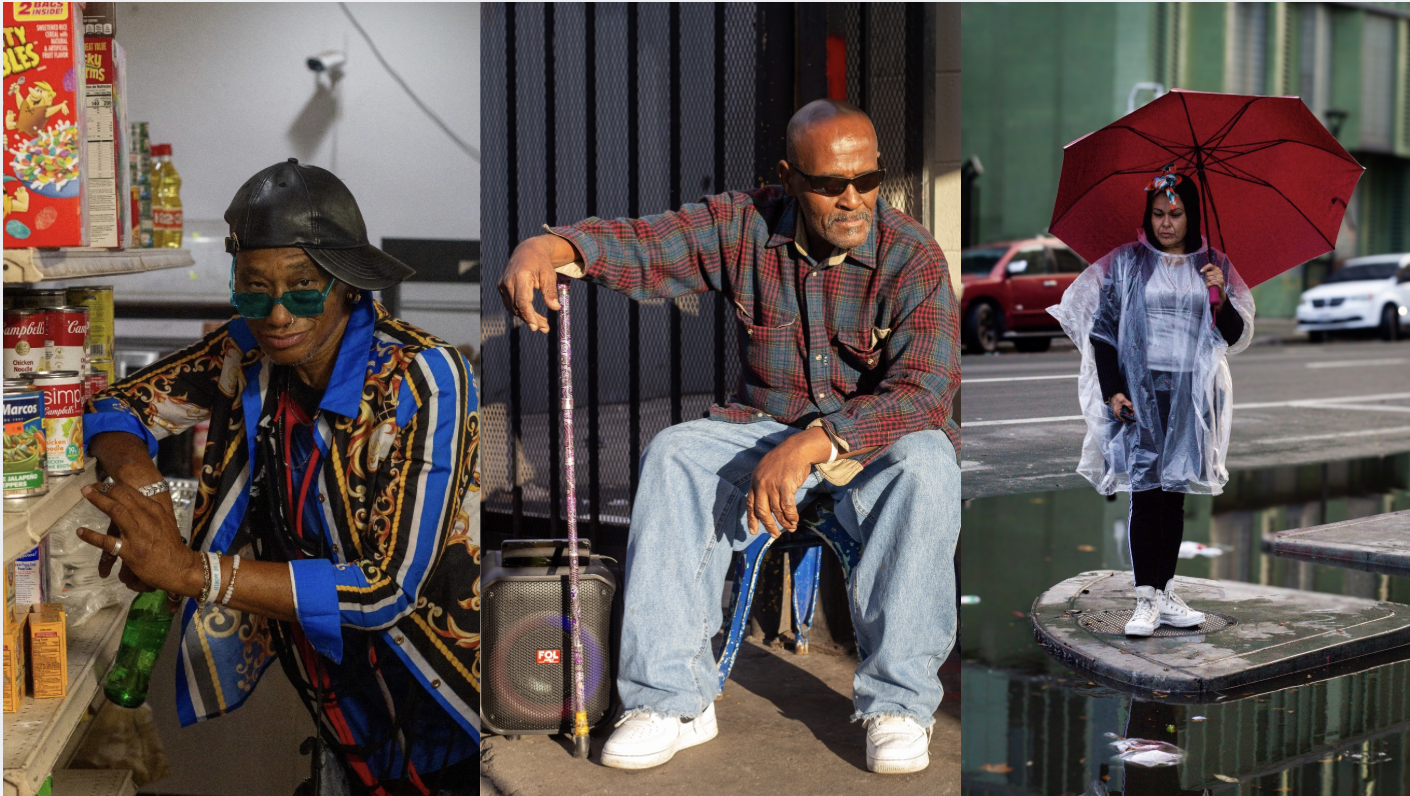
By Viola “Mama Smooth” Robinson, Rico Solomon, and Ashly “Hennessey” Cruz
In conversation with Sara Habibipour
Photography by Amelia Rayno
***
When we talk about practicing harm reduction at the Street Sanctuary, we’re not just talking about distributing safer-use kits or Naloxone. We’re talking about something much more fundamental: building community.
At a time when harm reduction is increasingly under political attack and subject to negative media narratives, we hope to communicate that harm reduction is, at its core, about building relationships and preserving community. It’s through these practices that we work to transform the conditions that put our neighbors at greater risk of illness, death, and incarceration. Our collective well-being is an investment we make in each other’s lives every day. It is through community, relationships, and chosen family that we do more than keep each other alive; we help one another live healthier, fuller lives.
Listen to three Skid Row community members share what the Sanctuary means to them, how they experience harm reduction through community and relationships, and how this practice has become a source of healing in their lives.
Viola “Mama Smooth” Robinson
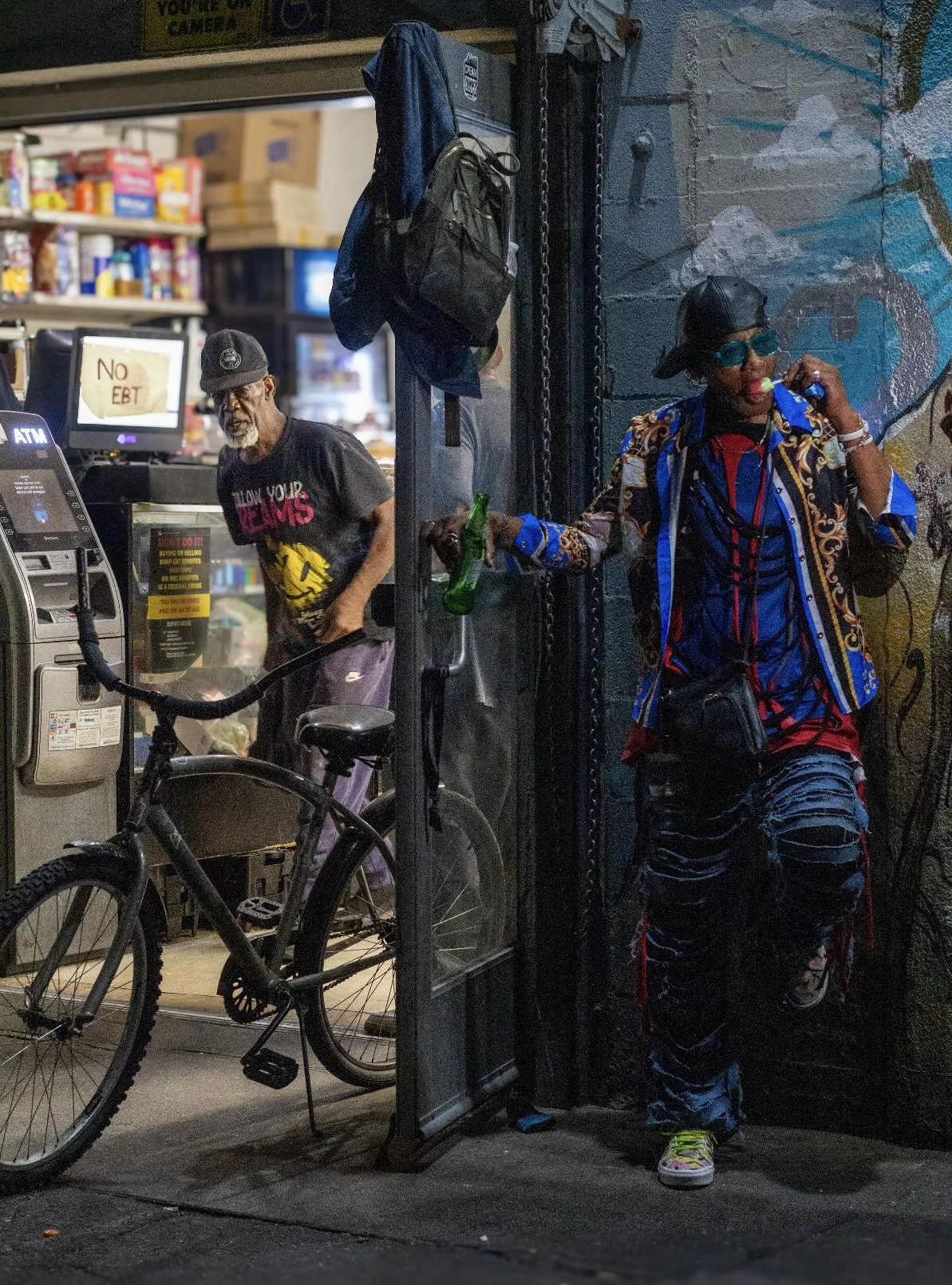
“The love is here [at the Sanctuary]. This is my family. I found healing, through community gatherings, through finding belonging, through being accepted for who I am.
The Sanctuary is a refuge. More than anything, it has supported my spiritual growth. It’s where I’ve had the space to learn humbleness, kindness, gentleness, and patience all alongside suffering.
Through community, I’ve discovered my sense of self. It’s not easy being a mother of the Sanctuary; it carries a lot of weight. Because I too came here hurt, broken down and in pain. I used to be very hostile and arrogant. I didn’t love myself.
But through my responsibility as a Mama of the Sanctuary, through learning how to talk with people and communicate, looking at things from other people’s point of view, I’ve remembered that I still have a little girl inside me. I abandoned her. I took her for granted. I didn’t see her but I do now. I love her. Because she is me.
I’m not where I want to be. But I’m exactly where I need to be.”
Rico Solomon
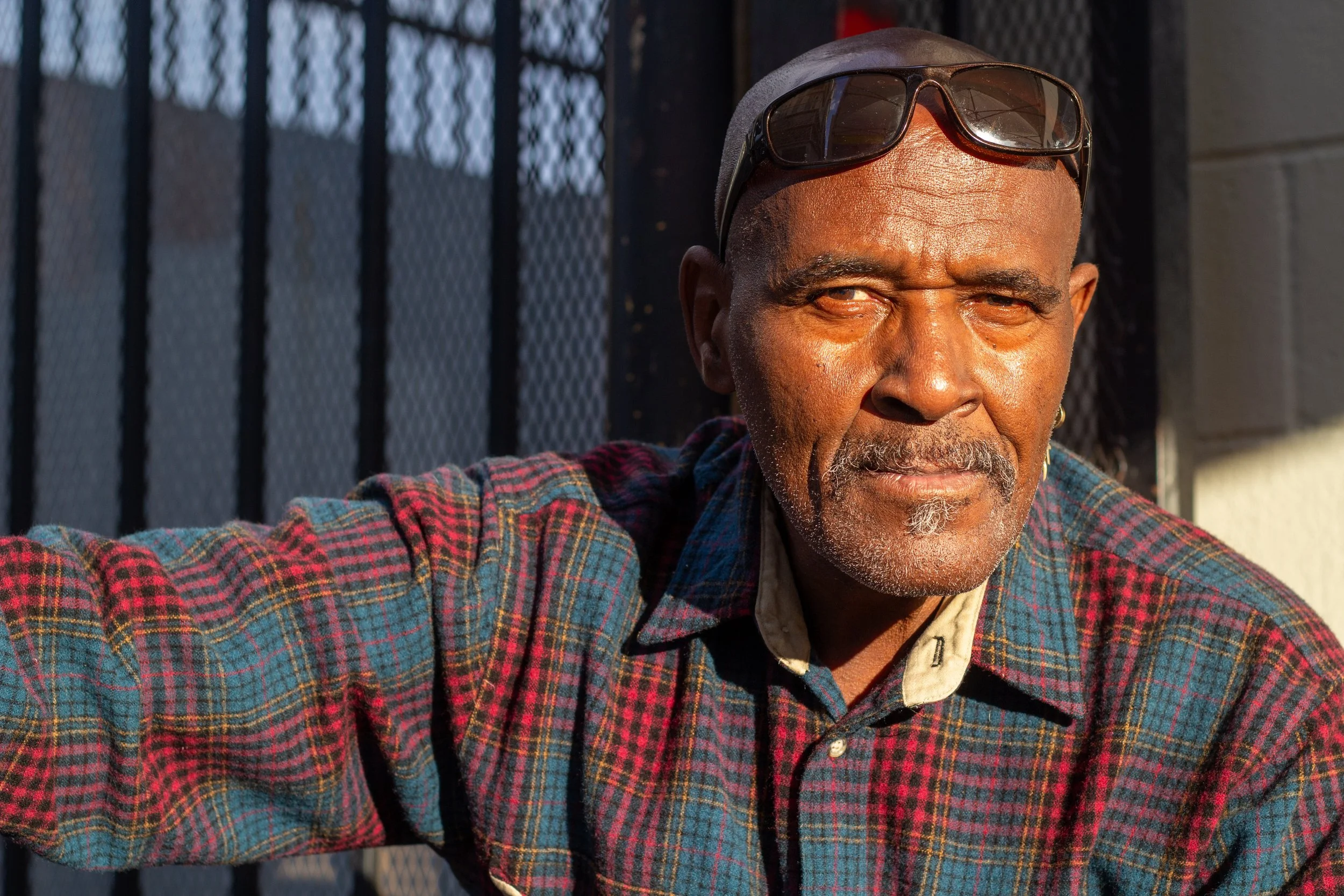
“For me, the Sanctuary has been exactly what the name implies: a safe haven. Without the Sanctuary, I’d probably be back in prison. Since becoming involved here, this is the longest I’ve ever stayed out of a pair of handcuffs.
I think that’s because the Sanctuary keeps me busy in a positive way. I volunteer and make sure everything is running smoothly at night.
I know I can come here and find positivity. I have people here I know I can count on.
It’s a family-oriented place. There’s comfort between us. There’s security between us. We look out for each other.
I’ve grown a hell of a lot because of the Sanctuary. I used to be much more aggressive than I am now. Every time I feel myself getting ready to go from zero to sixty, I think about my responsibility to the Sanctuary, to the family I’m a part of. I think about the people here who would be disappointed in me if I reacted in a way I shouldn’t.
I guess you could call that accountability. Support. Being part of something bigger than myself.
Since being here, I’ve stopped smoking cigarettes, and I’m in the process of cutting down on other substances that I’ve been wanting to cut down on. I’m able to do that because I have support here, family here.
You don’t get that just anywhere.”
Ashly “Hennessey” Cruz
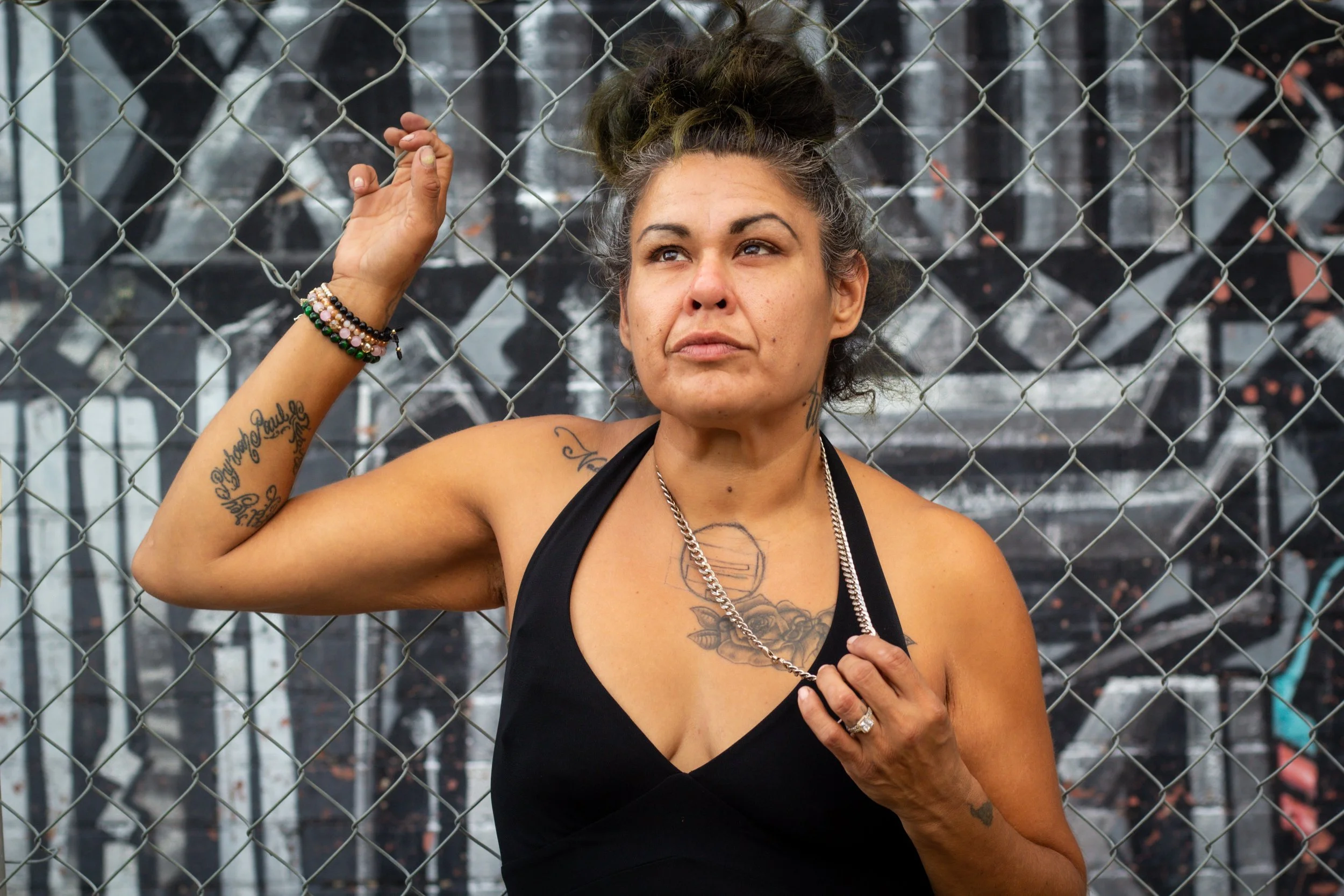
“I haven’t talked to any of my family in years. But at the Sanctuary, I found family in the most unexpected place. People genuinely care about me. People come looking for me when I go missing. This place has allowed me to be open to forming new relationships.
Losing contact with all my family has been really traumatizing. But I’ve been able to come here and heal by learning how to build relationships again. Even simple things like our monthly barbecues have really helped me get through the tough times because I know I can expect family time—something I really miss experiencing with my kids.
Family means taking care of each other. Before coming to Skid Row, I did 13 years of in-home care, so now I help people keep their wounds clean. In return, they’ll help me set up my tent again after a street sweep. There was a girl out here who had a baby in a tent by the Sanctuary, and I helped her deliver the baby. I’ve had my own kids, so I kind of knew what to do. We all step in and take care of each other because we’re family at the end of the day (as chaotic of a family as we are).
The Sanctuary is a judgment-free zone. There’s no pressure here. No one harps on you about making progress or change. You’re allowed to do it in your own time and on your own journey, knowing that your family at the Sanctuary will be there through all the trials and errors, supporting you as you find the best version of yourself. That’s a kind of love and care I’ve never experienced before.”
