Right Where I Was Standing
This project is supported by the Unshame CA campaign, funded by the California Department of Health Care Services (DHCS) through a grant administered by Shatterproof.
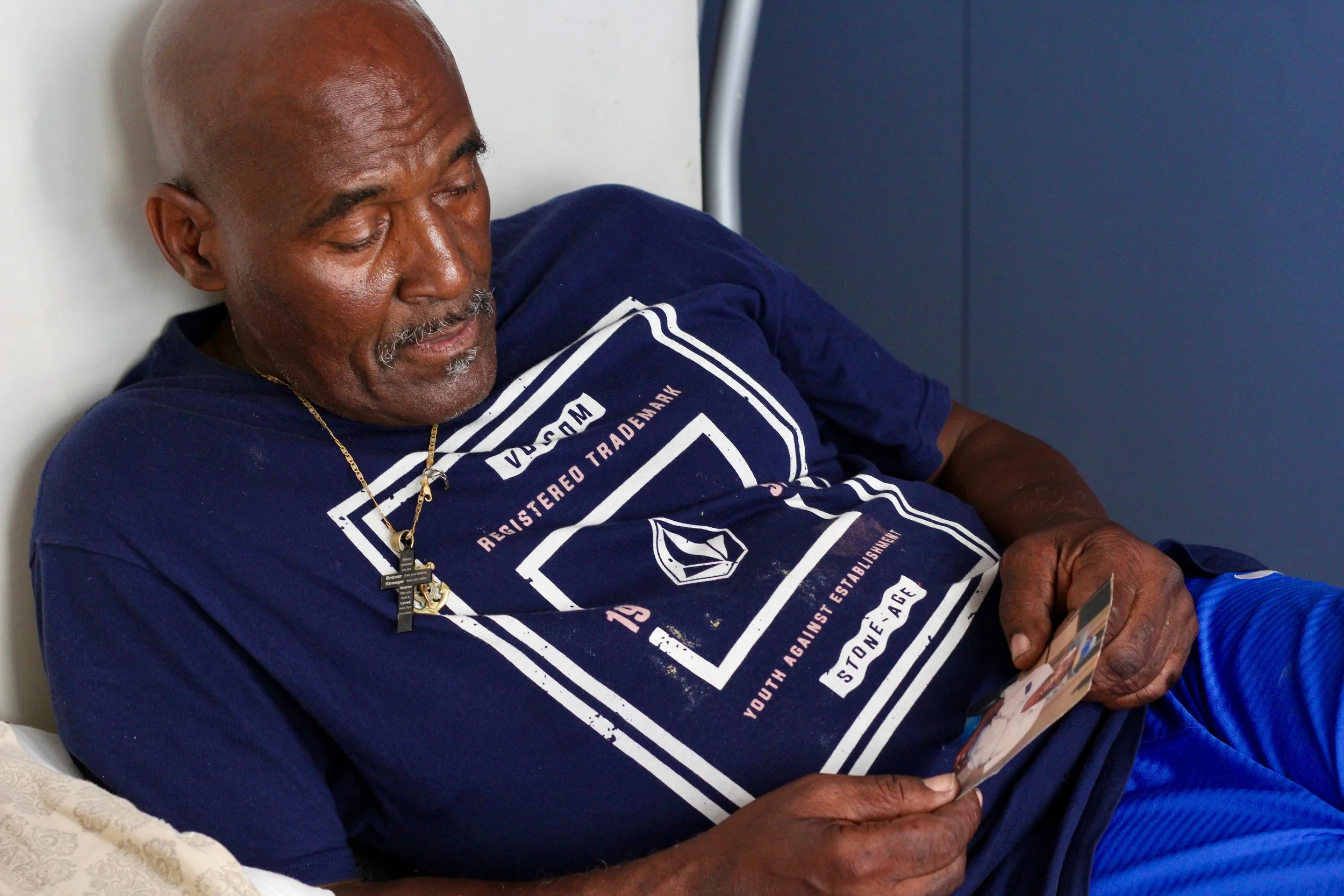
By Rico Solomon
In conversation with Sara Habibipour
Since the moment I learned to walk, I was working alongside my dad.
He was the kind of person who could look at something broken and see a way to make it work again. He remodeled houses, fixed run-down cars, repaired broken washing machines and dryers and brought old Frigidaires back to life.
The way he made something from nothing always amazed me. My twin brother Ricky and I would stand there in the yard watching him, shaking our heads.
He ain’t gonna fix that.
Then, somehow, he always did.
He was never the kind of man to say, “I love you.” Instead he showed us by hustling non-stop to make sure we had what we needed.
My brother and I would haul his repaired appliances to furniture auctions, and every time I made a sale, he’d pat me on the back.
“That’s my boy,” he’d say. “Good job, son.”
My dad’s belief in hard work, discipline and earning an honest living was built through a shortened childhood, leaving school after the third grade to work and support his family.
He relayed those lessons to us in the only ways he knew how — sometimes with a pat on the back but more often with a heavy hand.
When I was young, I felt pressure rather than possibility. I’d watch the other kids fly kites and ride bikes up and down the street and I’d wonder why we couldn’t do that instead. If I wasn’t working, I was supposed to be studying, something that never came easy. It felt impossible to meet his expectations, and that led me to act out.
Now at age 66, after decades of hard-earned wisdom, I finally understand what he was trying to give us.
And that I had it in me the entire time.
Words on a page
My dad was a by-the-book kind of guy. But he had a fun side, too.
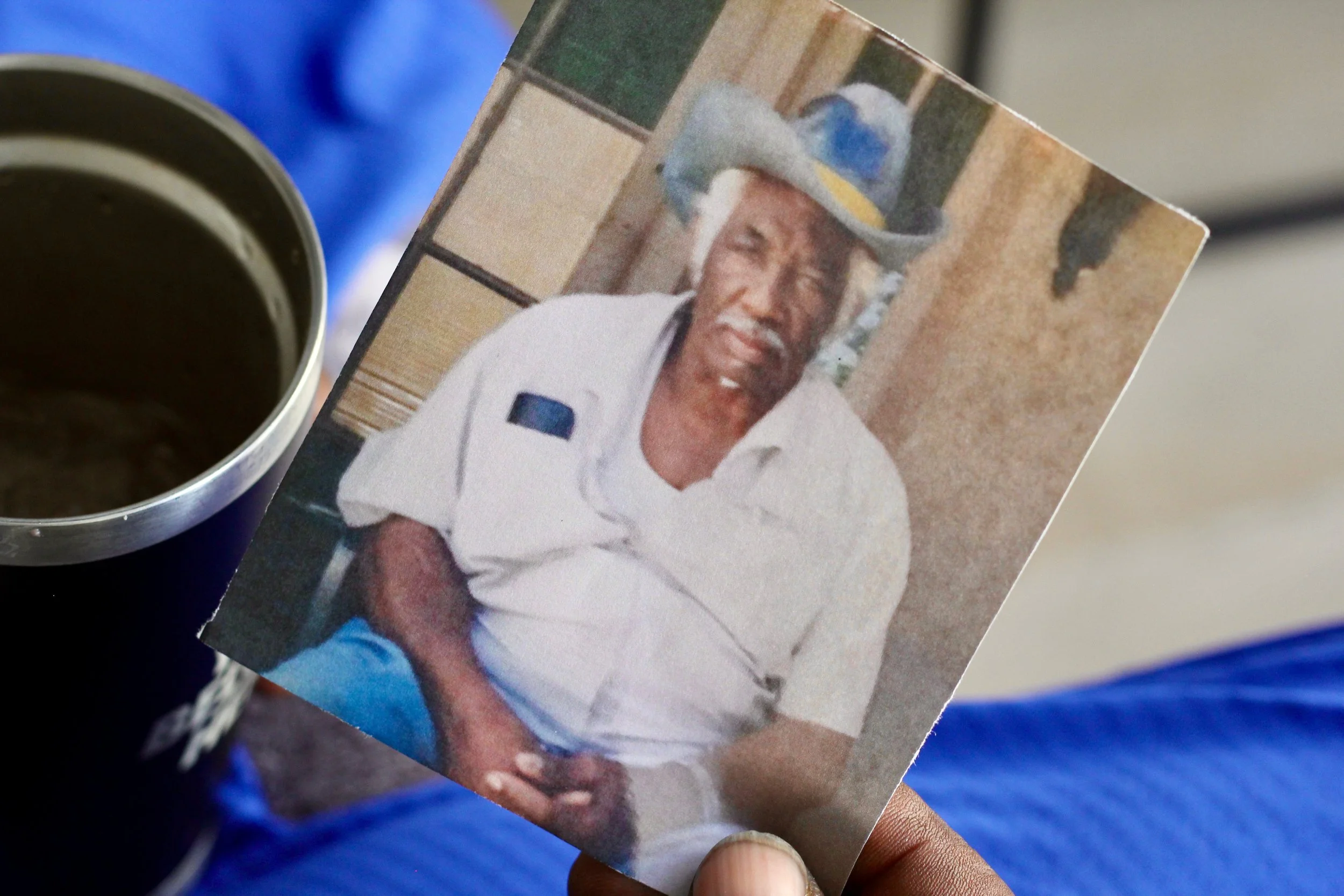
We had some of the best backyard barbecues around. He’d grill out of an old oil drum he transformed, serve his homemade wine and play records on his old stereo as friends and family filled the yard.
But even then, the rules still applied. If somebody touched something they weren’t supposed to, my dad would bark, “Hey, don’t mess with that.” If they didn’t listen, he’d tell them, “Get up out of here” until they did.
That was the side of him I knew best.
Growing up, I think I had a learning disability because I couldn’t read for the life of me.
Every year, my teachers would sit me between the two smartest kids in the class, hoping their smarts would rub off on me.
But they never did. So instead I became the class clown.
Whenever my teachers called home about my behavior, Pops would come to school and drag me to the front of the class by the ear.
“Y’all know Rico’s a bad boy in school, but he’s even worse at home,” he’d declare. “He still wets the bed!” Then he’d twist my ear so hard I’d burst into tears.
Looking back, I think he believed shame would teach me a lesson. He wanted opportunities for me that he never had himself. But instead it shut me down.
Every night, I had to sit at the kitchen table and pretend to read while Mom cooked dinner.
When Pops asked me what I was reading, I’d pick a random page but I could never explain what it was about. I’d start stuttering, and he’d grab whatever was nearby and whoop me with it.
My parents came up with a new rule: every word I spoke, I had to spell out. My whole family held me to it.
From then on, I became a real quiet kid.
Out the gate
By junior high, I was still at the bottom of my class. My twin brother moved on to high school while I repeated the eighth grade.
At his new school, Ricky got involved with the Bloods from our neighborhood. Because of his reputation in the streets, I was soon accepted too. Before long, I was skipping class, hanging around Ricky’s school with the Bloods. It felt like a way to find my voice where I couldn’t before — I was no longer the quiet kid, I was a Blood, gang-banging and fighting rival Crips.
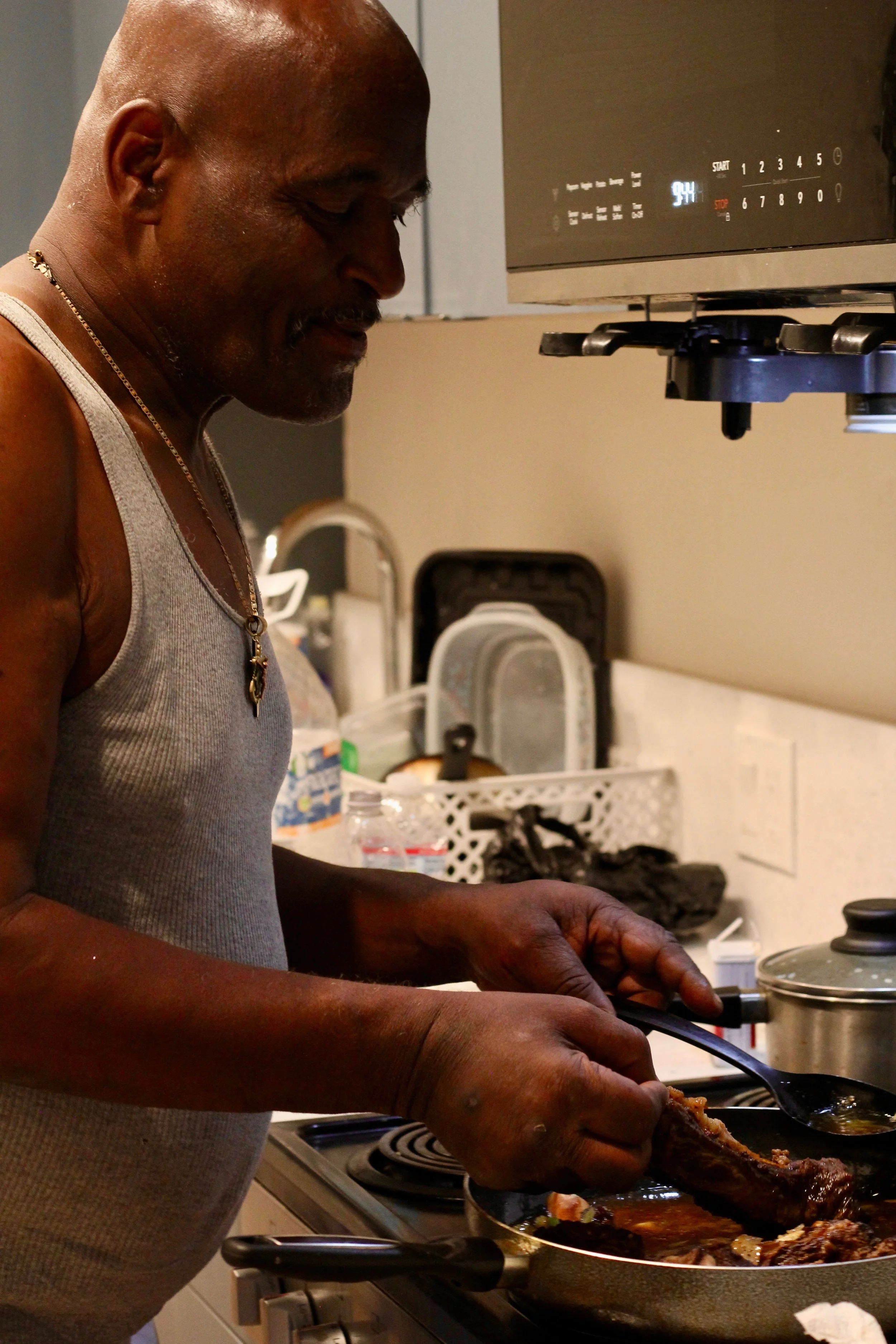
While my dad was out making deliveries, he would catch me roaming the block. Eventually, he had to shut the shop down because he didn’t have enough help.
The more Ricky and I got into the streets, the less we spent time working with my dad, who by then had opened a furniture shop.
One day, when I was still 14 years old, he was finally fed up.
We were sitting at the dinner table, and I stole a piece of chicken off my younger brother’s plate. My dad caught me.
“God damn it, Rico, I’m tired of your shit,” he yelled. “Get out my house.”
Usually, that meant I’d sit in the backyard until he told me to come back inside.
But this time was different.
“No, no…keep going,” he said. “Out the gate.”
Tough love
At first, it felt like freedom at last.
I called up my homies to celebrate. We nabbed a few beers from the store and were just kickin’ it. But when night fell and it got cold, everybody started heading home. I got scared. I didn't even have a jacket.
I called up my homies to celebrate. We nabbed a few beers from the store and were just kickin’ it. But when night fell and it got cold, everybody started heading home. I got scared. I didn't even have a jacket.
I found an abandoned house, and that's where I slept that night. Other nights, I'd sleep in the bed of my dad's truck, waking up before he left for work so he wouldn't see me.
We never really talked about the night he kicked me out. Knowing now how much he loved me, I have a feeling he didn't sleep. I imagine he sat by the window, waiting for me to come back—even though we both knew that wasn’t an option.
Before long, I was stealing, doing whatever I had to do to eat. Eventually, it caught up with me and landed me in juvenile hall, where I was in and out until I turned 18.
On weekends, I'd watch other kids' families come to visitation hours with home-cooked meals, hugging their sons, telling them they loved them.
My dad visited me only once. He said, "Why would I bring you food and come see you all the time? Maybe you like coming here, but you're not going to get comfortable."
At the time, it really hurt. It felt like he didn’t care at all. Looking back, I think he was showing me he did, in the only way he knew how — tough love, rooted in his hope for a better future for me.
A new business with Pops
Being in and out of incarceration became the rhythm of my life for the next 28 years.
I couldn't afford to keep my old apartment so, whenever I got out, my dad rented me the unit above his house. I lived there and made my living selling sherm (PCP). I tried to hide it, but he knew what I was doing; every time I got locked up, my customers would still come looking for drugs.
For a long while, he'd run them off. Though he was always scrambling to put food on the table, selling drugs was one line he'd always refused to cross.
Then one day I came home on release and my sister told me to go get a sherm stick from Pops.
I thought she was joking. I cocked my head.
"What are you talking about?"
"I'm serious,” she said. “Give Daddy this ten dollars."
I walked into the backyard and handed him the money, pretending like I didn’t know what it was for.
He smiled, stuck out his chest, and opened an old Coca-Cola machine. The smell of sherm hit me.
I couldn't believe it.
He told me he'd gotten tired of chasing my customers away. That one day he realized he wasn't running people off — he was running money off. So he learned the business.
We started working together again, for the first time since I was a kid. Only this time, it wasn't fixing furniture — it was selling sherm.
I still don’t know why he did it. Maybe because he had spent his whole life working, and finally this paid the bills. Part of me has always carried the guilt of wondering whether my choices helped set those events into motion.
Eventually, we got busted. The police raided our apartments and took all my money. I was broke, angry, depressed, and confused.
That’s when I started smoking crack.
I took that first hit and felt invincible. For the first time, I felt above the weight of the emotions that I had been carrying — the pressure from my childhood, the isolation from years spent locked up, and the devastation from losing all the money I had worked for. It gave me a feeling I had never fully experienced before: confidence.
Finding the words
But I ended up back in prison — at San Quentin this time.
My record mistakenly listed me as part of the Black Guerilla Family, even though I was a Blood. Because of that, I spent 18 months on their tier.
Remarkably, that was where I learned to read.
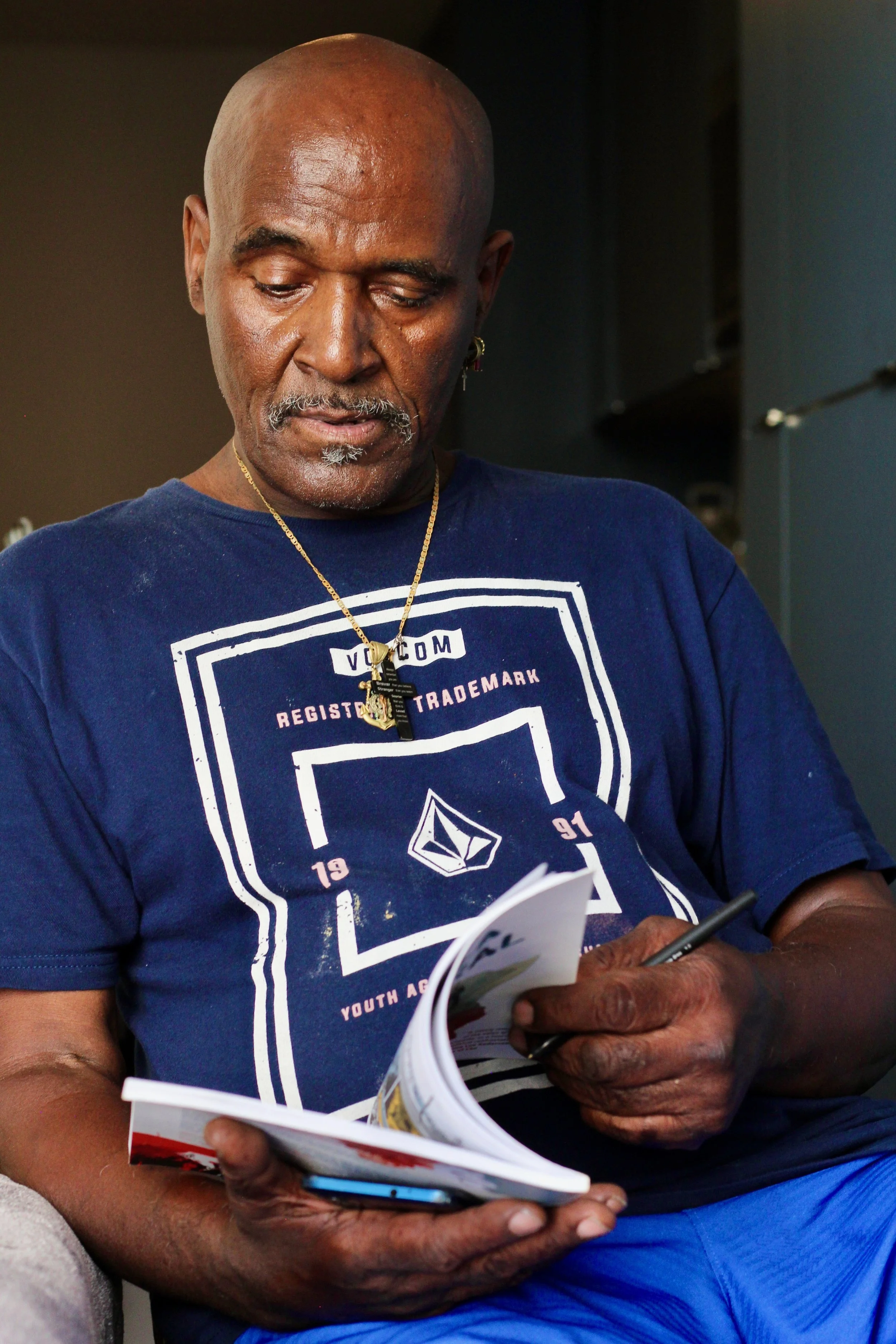
Every other day after recreation, we’d have study time. We studied Black history, worked on assignments, and broke into groups where we had to read out loud. That’s when everyone found out I couldn’t.
One of them looked at me and said, “Ain’t no such thing as a Black man that don’t know how to read.” They started teaching me the basics.
I felt a different kind of pressure to read than when I was a kid. These guys had looked out for me but I wasn’t one of them. I was a Blood. I knew I couldn’t keep accepting their kindness without putting in the work. If they were investing their time in me and I refused to learn, that was eventually going to become a problem.
But I also had my own reason for wanting to learn: I wanted to write letters to my family. I hadn’t spoken to them in years.
So I started practicing with Archie comic books.
I got better, and ultimately fell in love with reading everything I could get my hands on — fiction, nonfiction, love stories, National Geographic.
Once I had those words, I started writing letters to my father. I apologized for acting out as a kid, for not listening to him. I told him that I finally understood what he had been trying to teach me all along.
He would write to me back, “Received. Call me.”
We would talk on the phone, but we never directly addressed it. Even after I got out, sitting together on the porch, we only spoke around it. There was never a real resolution, but deep down, I think we were both sorry for the pain we caused, and forgave each other in the way we knew how.
A lost goodbye
In 2001, my dad became very sick. I was in the last year of my sentence.
One day he told me over the phone, "Rico, I'm not gonna be alive by the time you get out."
I wouldn’t believe it. I always thought my dad could never die.
But 30 days before I was released, he did.
I begged the prison to let me attend his funeral, but they refused. They said I was too much of a security risk.
When I got out days later, everybody told me how the church was packed, that there wasn’t any room left to stand. So many people got to say goodbye to my dad — but not me.
I wish I could’ve been there to tell people what I know now:
Despite everything, how good of a man he was.
Right where I was standing
My life is different now. After 2014, I never went to prison again. I stopped stealing, stopped selling drugs. For a while, I survived in shelters and sometimes a tent in Skid Row. Eventually I completed a housing program and moved into my current apartment. I even started doing outreach work with Blue Hollywood Street Sanctuary—the organization that helped me get off the streets.
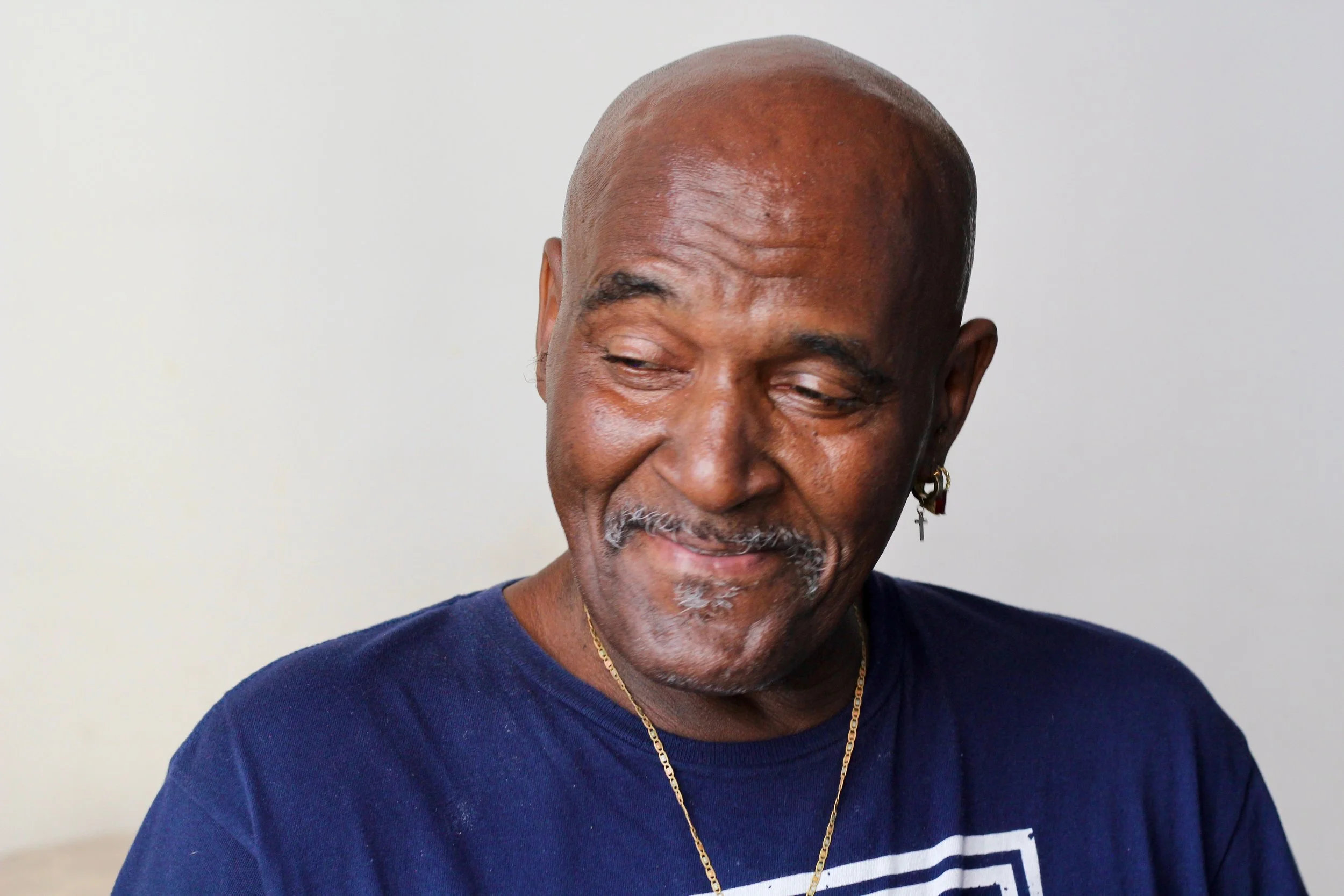
I still smoke crack, though not as much as I used to. I have other things now that make me feel whole—most of all, the Sanctuary. It gives me a sense of purpose, a sense of family, and the satisfaction of knowing I'm contributing something positive to my community.
Every year, I go to my Dad’s grave and leave his favorite drink — a bottle of Crown Royal.
Once, though I had visited him many times before, I couldn’t find his grave. Overwhelmed, I began to weep.
Then I realized it was right where I had been standing.
I think about that moment a lot, because that's how my whole life was with my father.
I spent so many years looking elsewhere for answers, but he was right there. Trying to teach me, trying to guide me.
In the end, we left so much between us unresolved. We never really talked about him kicking me out and how it shaped my life, or why he started selling sherm with me. He acknowledged my apology letters, but we never went much deeper.
Even so, I know now that everything he did came from wanting the best for me, even when I couldn’t understand it at the time. Today, his lessons stay with me — in the choices I make, the way I treat others, and the person I continue to become.
Though we weren’t the type to say these things, if I could see him one last time I would finally tell him what I know he would want to tell me too:
I love you.
***
Author Rico Solomon is a Skid Row “OG,” Sanctuary uncle, master griller, and passionate storyteller. Known for his quick wit, infectious sense of humor, and caring spirit, Rico has a gift for making everyone feel like family. A trusted mentor, true Los Angeles native, and holder of community respect, Rico is someone others naturally turn to for guidance and wisdom.
BHSS is a community-based nonprofit organization and harm reduction program that provides street outreach services, case management services and community care for unhoused and precariously housed individuals in Skid Row, Los Angeles. This narrative project works collaboratively with residents to tell their own stories in their own words.